BY SOFO ARCHON
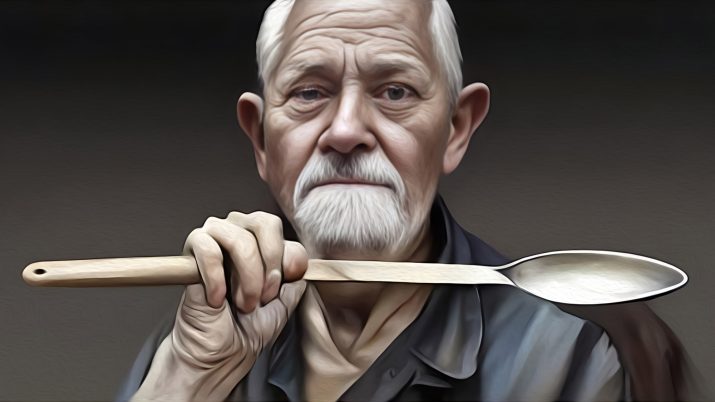
Once, a curious man asked God about the nature of Heaven and Hell. In response, God led him to two doors that revealed starkly different worlds.
Upon opening the first door, the man saw a pitiful sight. A large pot of savory vegetable stew sat at the center of a table, surrounded by thin and sickly people. Although they held spoons, the utensils were too long for them to bring food to their own mouths. The aroma of the stew made the man’s mouth water, but the pitiable sight of their suffering left him trembling.”
“This is Hell,” God proclaimed.
However, when the man opened the second door, he was surprised to find the same pot of stew, the same long-handled spoons, and a similarly sized group of people. Unlike the first group, these individuals were well-fed, plump, and laughing with one another. The man was puzzled, and he turned to God for an explanation.
With a smile, God simply said, “Love is the only skill required. These people understood early on that by sharing and caring for one another, they could all enjoy the meal. Those who are selfish and greedy will always be left wanting.”
***
Heaven and hell are not places that we go to, but states of being that we manifest through the choices we make.
The people in Hell were as close to the same pot of delicious stew as those in Heaven, but their refusal to work together and care for each other resulted in their suffering. On the other hand, those in Heaven understood the importance of sharing and love, and their willingness to help one another led to their joy and well-being.
So, always remember: Genuine happiness and fulfillment come not from selfishness and greed but from compassion and generosity toward others.
The story is based on a text often attributed to Rabbi Haim of Romshishok.
My work is reader-supported. If you find value in it, please consider supporting with a donation.